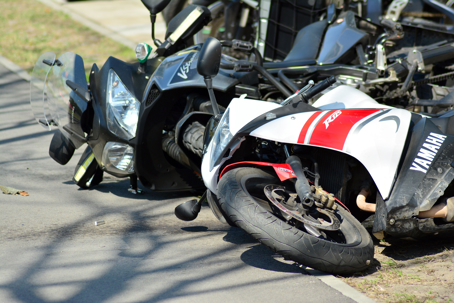
Motorcycle riders and drivers share the same roads throughout California, but they often face very different risks when a collision occurs. Because motorcycles provide far less protection than passenger vehicles, even a relatively low-speed crash can result in severe injuries. While motorcycle accident claims and car accident claims generally follow many of the same legal principles, there are several important differences that can affect how an insurance claim or personal injury case unfolds.
Understanding these distinctions can help injured riders make informed decisions after a crash. Whether you commute through busy Bay Area traffic or enjoy riding California’s scenic highways, knowing your rights is an important step toward protecting your future.
California Law Applies the Same Basic Negligence Rules, but Every Case Is Unique
California uses a fault-based system for motor vehicle collisions. This means the person or party responsible for causing the crash may also be responsible for paying damages. The same negligence laws generally apply whether the collision involves two passenger vehicles or a motorcycle and another vehicle.
To establish liability, an injured person typically must show that another party acted carelessly and that this conduct directly caused the accident and resulting injuries. Depending on the circumstances, evidence may include:
- Police reports
- Photographs of the accident scene
- Witness statements
- Traffic camera or surveillance footage
- Vehicle damage
- Medical records
- Expert accident reconstruction when appropriate
Although these legal standards are similar, motorcycle accident claims often involve additional factors that can make proving liability more challenging.
Motorcycle Riders May Face Unfair Assumptions
Unfortunately, some people assume motorcycle riders are more likely to speed, weave through traffic, or engage in risky behavior. These stereotypes can sometimes influence insurance adjusters or even witnesses before all the facts are known.
However, every collision deserves an objective investigation. Many motorcycle crashes occur because another driver fails to:
- Yield while turning left
- Check blind spots before changing lanes
- Notice an approaching motorcycle at intersections
- Maintain a safe following distance
- Share the road responsibly
Evidence—not assumptions—should determine who was at fault.
Lane Splitting Can Affect a Motorcycle Accident Investigation
One aspect that makes California motorcycle cases different is lane splitting. California is one of the few states that expressly permits motorcycles to travel between lanes of slow-moving or stopped traffic under certain circumstances.
Simply because a rider was lane splitting does not automatically make them responsible for a collision. Instead, investigators look at the actions of everyone involved, including whether each person exercised reasonable care under the circumstances.
Each accident requires a careful review of road conditions, traffic flow, speed, visibility, and driver behavior before liability can be determined.
Injuries in Motorcycle Accidents Are Often More Severe
Unlike occupants inside passenger vehicles, motorcycle riders do not have the benefit of seat belts, airbags, or an enclosed frame. As a result, riders frequently experience more significant injuries, including:
- Traumatic brain injuries
- Spinal cord injuries
- Multiple fractures
- Road rash
- Internal injuries
- Permanent disability
Because injuries may be more extensive, motorcycle accident claims often involve higher medical expenses, longer recovery periods, rehabilitation costs, and future care needs. Evaluating these damages requires a careful understanding of both current losses and the potential long-term effects of the injury.
Comparative Negligence May Reduce Compensation
California follows a pure comparative negligence system. If more than one person contributed to the crash, responsibility may be divided among the parties.
For example, if a driver failed to yield while a motorcycle rider was traveling above the posted speed limit, both actions may be considered when determining fault. An injured rider may still be able to recover compensation even if they share some responsibility, although the recovery may be reduced based on their percentage of fault.
Because insurance companies may seek to assign more blame to motorcycle riders than the evidence supports, a thorough investigation is especially important.
Insurance Companies May Evaluate Motorcycle Claims Differently
Motorcycle accident claims often receive closer scrutiny from insurance companies. Adjusters may question how the collision occurred, examine helmet use, or carefully analyze riding behavior before evaluating a claim.
For this reason, maintaining detailed documentation can be valuable after an accident. Helpful records may include medical treatment, photographs, repair estimates, witness contact information, and documentation of missed work or other financial losses.
Prompt medical care is also important. Medical records help connect injuries to the collision and document the recovery process.
Taking the Right Steps After a Motorcycle Accident
Following a motorcycle collision, protecting both your health and your legal interests is important. Consider taking steps such as:
- Call emergency responders if anyone is injured.
- Seek medical evaluation, even if injuries initially seem minor.
- Reporting the collision when required.
- Photographing the vehicles, roadway, and surrounding conditions if it is safe to do so.
- Collecting contact information from witnesses.
- Avoid statements that could be interpreted as admitting fault before all the facts are known.
- Keeping copies of medical bills, treatment records, and other accident-related expenses.
Every situation is different, and early documentation can make it easier to understand what happened and support a potential claim.
Understanding Your Rights After a California Motorcycle Accident
Motorcycle accident claims and car accident cases share many legal foundations, but important differences often affect how they are investigated and evaluated. Factors such as lane splitting, injury severity, insurance company bias, and the unique circumstances of motorcycle travel can all influence the outcome of a claim.
If you or a loved one has been injured in a motorcycle accident, understanding your legal options can help you make informed decisions during the recovery process.
San Francisco Motorcycle Accident Lawyers
At Rouda Feder Tietjen & McGuinn, we are committed to helping injured individuals and their families understand their rights after serious motor vehicle collisions. If you have questions about a motorcycle accident claim in California, contact Rouda Feder Tietjen & McGuinn today at (415) 940-7176 to discuss your situation and learn how we may be able to help.